
TL;DR:
- Digital wedding invitations save money, reduce paper waste, and offer multimedia personalization options.
- SMS has the highest open rate, making it ideal for immediate reminders and last-minute updates.
- A hybrid approach balances tradition, accessibility, and sustainability, accommodating all guest needs effectively.
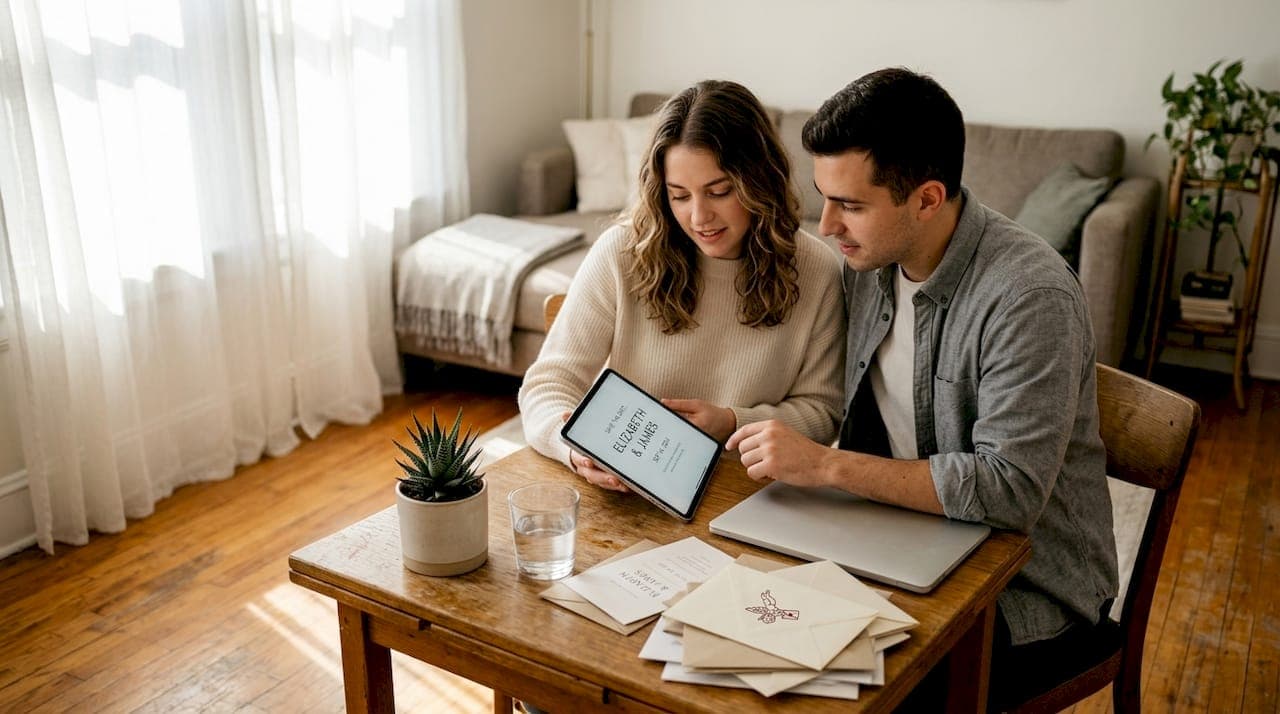
Most couples assume that a beautiful wedding invitation has to be printed, stamped, and mailed. That assumption is quietly becoming outdated. Paperless invitations now save 990,000+ lbs of paper and cost couples $300 to $800 less per event compared to traditional printing and postage. Beyond the savings, digital invitations open the door to animated designs, embedded music, real-time RSVP tracking, and guest management tools that paper simply cannot match. If you are planning a modern wedding and want something that is both stunning and sustainable, this guide walks you through every method, feature, and consideration you need.
Table of Contents
- Digital wedding invitation delivery methods explained
- Designing invitations with multimedia and personalization
- RSVP management and guest experience
- Eco-friendly, cost, and social benefits: digital vs. printed invites
- Addressing edge cases: hybrid, accessibility, privacy
- Our take: balancing tradition, tech, and guest experience
- Explore digital wedding invitation solutions
- Frequently asked questions
Key Takeaways
| Point | Details |
|---|---|
| Digital platform choices | Email, SMS, WhatsApp, and wedding site integration offer flexible delivery for guest needs. |
| Customization with multimedia | Animations, music, and AI features let couples personalize invitations beyond paper design. |
| Efficient RSVP management | Automated reminders and dashboards boost response rates and simplify guest tracking. |
| Eco and cost savings | Digital invitations can save $300-800 and prevent thousands of pounds of paper waste. |
| Hybrid and accessibility solutions | Combining print and digital meets needs for tech barriers, formality, and privacy concerns. |
Digital wedding invitation delivery methods explained
Now that you see the eco and financial impact, let's clarify the modern digital delivery channels couples can use. Choosing the right delivery method matters as much as the design itself. Each channel reaches guests differently, and the best choice depends on your guest list, their tech comfort level, and your timeline.
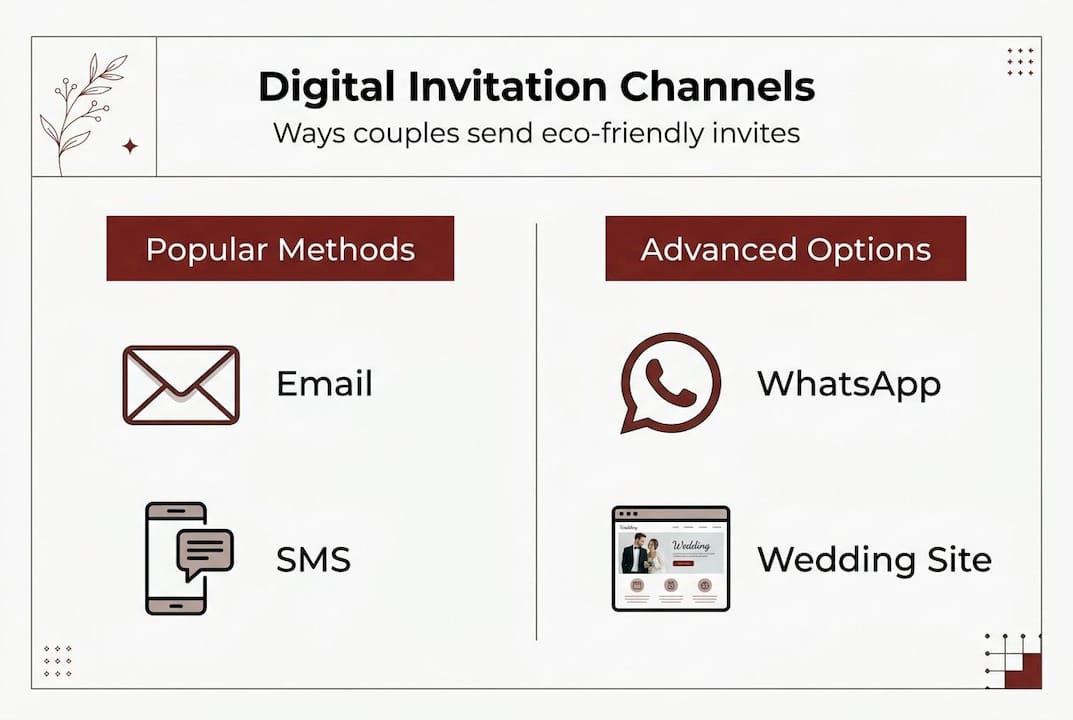
Digital invitation platforms typically support five main channels: email, SMS/text, WhatsApp, shareable links, and integration with wedding websites. Each has its own strengths.
| Delivery method | Best for | Open rate | Key limitation |
|---|---|---|---|
| Large guest lists | 20 to 40% | Spam filters | |
| SMS/text | Immediate delivery | Up to 98% | Character limits |
| International guests | High | Requires app | |
| Shareable link | Social sharing | Varies | No direct push |
| Wedding website | Full info hub | High (if shared) | Needs promotion |
SMS stands out with a 98% open rate for invitations, making it the most reliable channel when you need guests to actually see your message. Email works well for formal communication and larger guest lists, but spam filters can intercept messages, especially from unfamiliar senders.
Here is a quick breakdown of when to use each method:
- Email: Best for guests who check email regularly and for sending detailed invitation content
- SMS: Ideal for last-minute reminders, deadline alerts, and guests who rarely check email
- WhatsApp: Perfect for international guests or tight-knit groups who already use the app
- Shareable links: Great for posting on social media or sending through any messaging app
- Wedding website integration: Works best as a central hub where guests land after clicking any link
For couples with diverse guest lists, combining two channels is a smart move. Send the primary invitation by email, then follow up with an SMS reminder closer to the RSVP deadline. You can also review invite accessibility tips to make sure every guest, regardless of device or ability, can open and interact with your invitation without frustration.
Designing invitations with multimedia and personalization
Once you've chosen your delivery channel, it's time to explore the creative possibilities digital invitations offer. This is where digital truly outpaces paper. A printed card is static. A digital invitation can move, play music, and tell your love story before a guest even clicks "accept."
Multimedia invitation templates now include animations, background music, embedded video clips, photo galleries, and AI-powered design enhancements. These features let you create something that feels personal rather than generic.
| Feature | What it adds | Accessibility note |
|---|---|---|
| Animations | Visual energy and elegance | Avoid fast flashing |
| Background music | Emotional tone setting | Always include mute option |
| Embedded video | Personal storytelling | Add captions |
| Photo gallery | Shared memories | Use alt text for images |
| AI design tools | Smart layout suggestions | Test on mobile first |
The most popular personalization choices among couples include:
- Custom color palettes that match your wedding theme
- A short video message from both of you welcoming guests
- A photo slideshow of your engagement or relationship milestones
- A curated playlist that plays softly in the background
- Animated text reveals that build anticipation as guests scroll
For practical invitation design tips, keep your design mobile-first. Most guests will open your invitation on a phone, not a desktop. Large fonts, clear buttons, and fast-loading media make the experience smooth for everyone.
Pro Tip: Before sending, test your invitation on at least three different devices, including an older smartphone. What looks perfect on a new laptop may load slowly or display incorrectly on an older Android device. A step by step design process helps you catch these issues before guests do.
RSVP management and guest experience
Creative invitations set the stage, but tracking RSVPs and guest preferences is what ensures a smooth planning experience. A stunning invitation that generates no responses is just a pretty picture. The real power of digital platforms shows up in how they handle the follow-through.
Digital RSVP data shows that platforms with real-time dashboards, auto-reminders, custom surveys, guest tagging, and deadline enforcement achieve a 92% response rate. That number is remarkable compared to the uncertainty that comes with mailed reply cards.
Here is what a modern RSVP system typically includes:
- Real-time dashboard: See who has opened, who has responded, and who still needs a nudge
- Automated reminders: Schedule follow-up messages to non-responders without lifting a finger
- Custom surveys: Ask about meal preferences, dietary restrictions, or song requests right in the RSVP form
- Guest tagging: Group guests by table, family, or accommodation needs for easier coordination
- Deadline enforcement: Lock the RSVP form after your cutoff date automatically
To maximize your response rate, follow these steps in order:
- Send the invitation at least six to eight weeks before the wedding
- Set a clear RSVP deadline that is two to three weeks before your final vendor headcount
- Enable automated reminders to go out one week and three days before the deadline
- Use guest tagging to track which groups still need to respond
- Send a personal message to any remaining non-responders in the final 48 hours
Pro Tip: Use RSVP automation tools to handle reminders automatically. This frees you from the awkward task of personally chasing down guests and keeps your planning timeline on track. You can also explore dedicated RSVP tracking tools to compare features before committing to a platform.
Eco-friendly, cost, and social benefits: digital vs. printed invites
Beyond RSVP management, many couples weigh the real world benefits, environmental, financial, and social, when deciding between digital and printed invites. The numbers here are hard to ignore.
Paperless invitations save couples $300 to $800 per 150 guests while eliminating over 990,000 pounds of paper waste industry-wide. That is not a marginal difference. It is a meaningful shift in how weddings impact the planet.
| Factor | Digital invitations | Printed invitations |
|---|---|---|
| Cost per 150 guests | $0 to $150 | $300 to $950 |
| Paper waste | None | Significant |
| Delivery time | Instant | 5 to 14 days |
| RSVP tracking | Automated | Manual |
| Design flexibility | Unlimited | Limited by print |
On the social side, 70 to 83% of couples now prefer digital invitations, signaling that the format has moved well past novelty status. However, response behavior differs. Digital RSVPs yield a 91% response rate but a 75% actual show rate, while paper invitations see an 86% response rate with an 82% show rate. That gap is worth planning for.
"Going digital does not mean going informal. It means going intentional. The couples who choose digital are making a statement about what they value: the environment, their guests' time, and a seamless planning experience."
Some practical considerations when comparing the two:
- Digital invitations work beautifully for destination weddings where international postage is expensive
- Printed invitations still carry a sense of formality that some families expect for black-tie events
- Hybrid approaches, sending digital to most guests and printed to a few VIPs, satisfy both camps
For couples who want to reduce wedding waste without sacrificing elegance, digital is the clear path forward. You can also find cost-saving ideas and explore eco-friendly invitation automation to make the process even more efficient.
Addressing edge cases: hybrid, accessibility, privacy
There are special situations, guests, formality, accessibility, and privacy, that digital invitations must address. Here's how to overcome those hurdles.
Not every guest will open a link with ease. Older guests face tech barriers like unfamiliar apps, spam filters, or small screens. For these guests, a hybrid approach works well. Send a printed card with a QR code that links to the digital invitation. This gives them a physical keepsake while still connecting them to the online RSVP system.
For wedding invite accessibility, follow this checklist:
- Use high-contrast text and backgrounds so the invitation is readable for guests with low vision
- Make all buttons large enough to tap comfortably on a small phone screen
- Include alt text for all images so screen readers can describe them
- Avoid autoplay audio that cannot be muted easily
- Test the invitation with keyboard-only navigation for guests who cannot use a touchscreen
Privacy is another area where couples sometimes overlook the details. Digital invitation privacy best practices include collecting only the guest data you actually need, using platforms with clear data policies, and setting your invitation to private so only people with the link can access it.
Pro Tip: Choose a platform that lets you design for mobile and sustainability from the start. Lightweight designs load faster on all devices and use less data, which matters for guests in areas with slower internet connections.
Our take: balancing tradition, tech, and guest experience
Here is the honest truth that most guides skip over. Digital invitations are not automatically better than printed ones. They are better when they are done thoughtfully. We have seen couples rush into a template, skip accessibility testing, and wonder why half their older relatives never RSVPed.
The couples who get this right treat digital as a medium, not a shortcut. They use it to reduce environmental impact while also creating something genuinely beautiful and easy to interact with. They send printed cards to the three or four guests who truly need them, without guilt.
Accessibility and privacy are not optional features to add later. They are design decisions that must be made at the start. A digital invitation that excludes guests or exposes their data is not a step forward. It is a missed opportunity. The best approach is hybrid in mindset: use digital for efficiency and sustainability, honor tradition where it genuinely matters, and always design with every guest in mind.
Explore digital wedding invitation solutions
Ready to explore your own options? Here's how to take the next step.
If everything in this guide resonates with you, the next move is finding a platform that brings it all together. Digital invitation solutions like The Digital Yes offer exactly that: customizable designs with multimedia support, real-time RSVP dashboards, guest management tools, and eco-friendly delivery, all with a one-time payment and no recurring subscriptions.
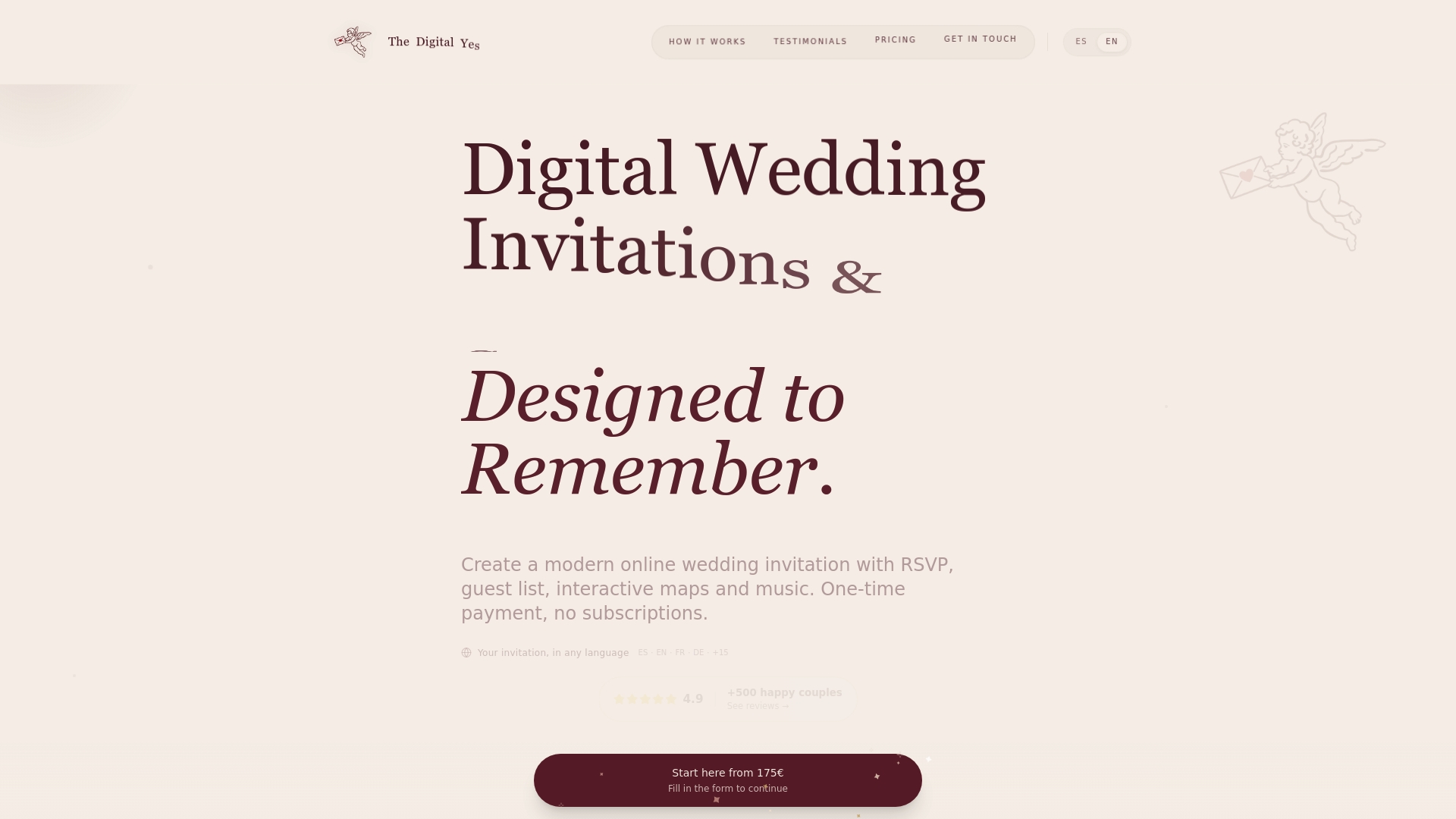
Whether you want an animated invitation with background music or a clean, minimal design that loads instantly on any device, the right platform makes the entire process feel effortless. Start by browsing templates, test the RSVP flow as a guest would, and choose a design that feels like you. Your invitation is the first impression of your wedding. Make it one worth remembering.
Frequently asked questions
What's the best way to deliver digital wedding invitations?
Email is the most popular option, but SMS and WhatsApp are ideal for immediate delivery and reaching international guests who may not check email regularly.
How do digital invitations help collect RSVPs?
Digital platforms offer real-time RSVP dashboards and automated reminders that consistently achieve response rates as high as 92%, far above what mailed reply cards typically deliver.
Are digital invitations cheaper and more eco-friendly than printed ones?
Yes. Paperless invitations save couples $300 to $800 per event and eliminate significant paper waste, making them the most cost-effective and sustainable choice for most weddings.
What about guests who struggle with technology?
Hybrid invitations that combine a printed card with a QR code work well for older guests or anyone with tech barriers, giving them a physical touchpoint that connects to the digital experience.
How can couples ensure privacy and accessibility with digital invites?
Choose platforms with strong privacy policies and test your invitation for accessibility and mobile design before sending, including high-contrast text, large buttons, and a private link that only invited guests can access.